The Man Who Stole East Germany's Death Machines
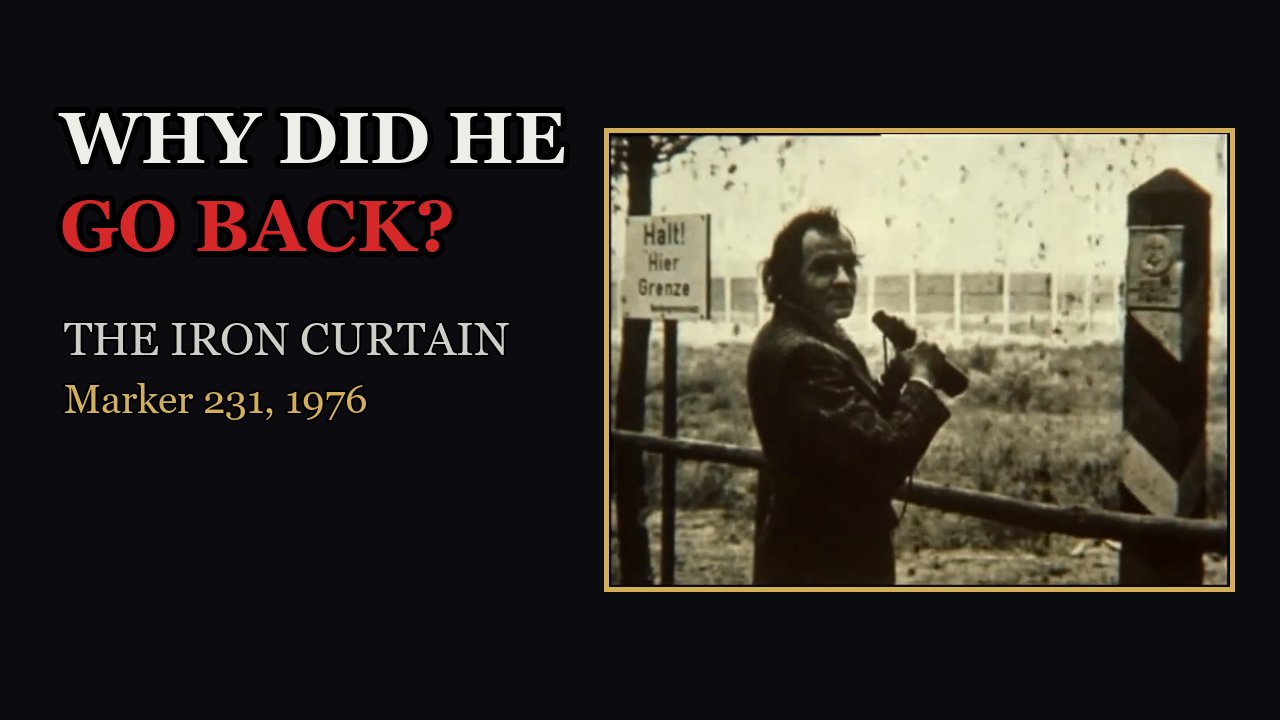
On the night of 30 April 1976, Michael Gartenschläger walked back alone to the East German border fence at marker 231, near Büchen.
The archive
On the night of 30 April 1976, Michael Gartenschläger walked back alone to the East German border fence at marker 231, near Büchen.
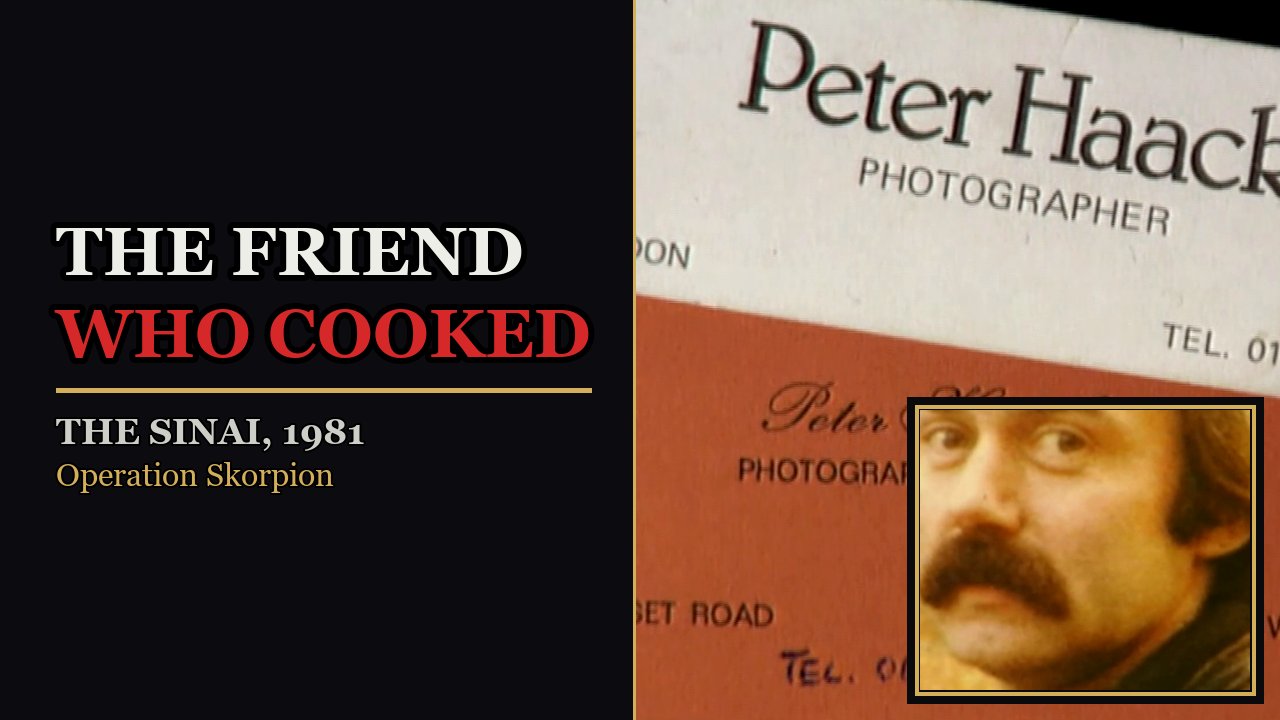
On the twenty-first of July 1981, on a beach in the Israeli-held Sinai a few miles south of Eilat, a West German on holiday with his wife and their seven-year-old daughter sat down to a bowl of meatballs cooked by his best friend.
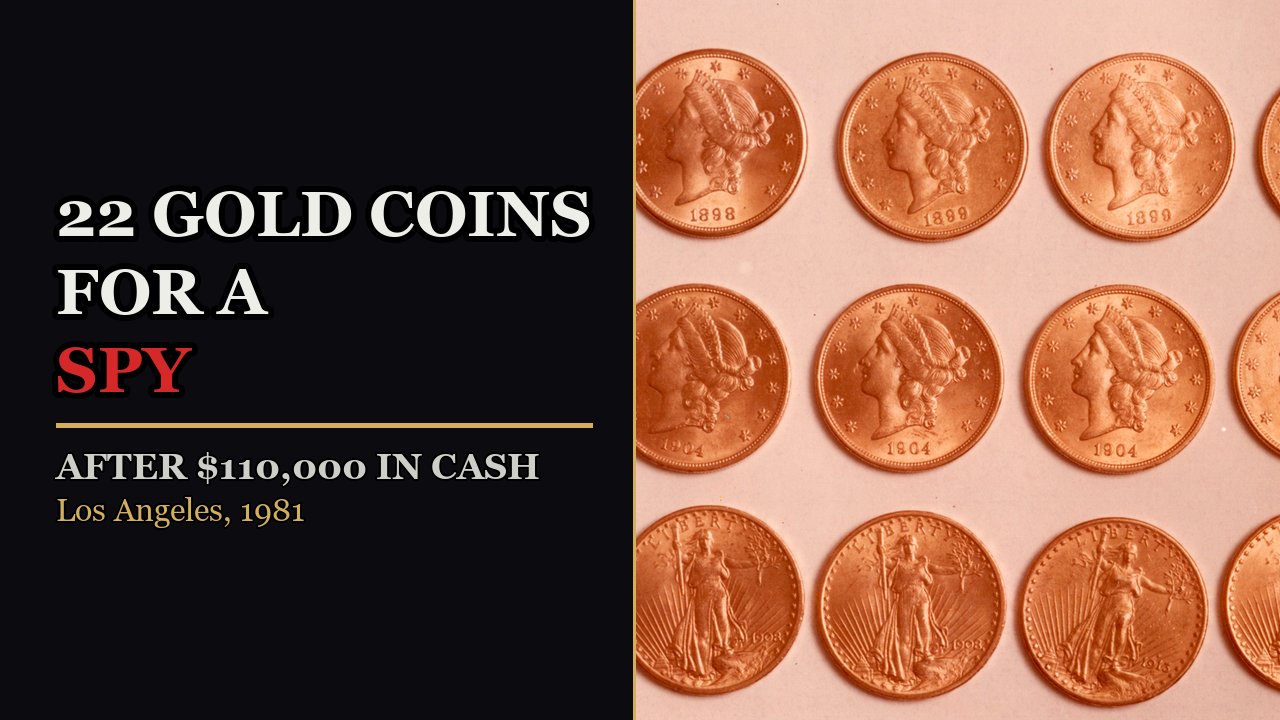
In February 1977 a young Polish machine-tool salesman took an apartment in a tennis complex between the beach and the Los Angeles airport, and made a friend on the court: a Hughes Aircraft radar engineer of fifty-seven who was broke.
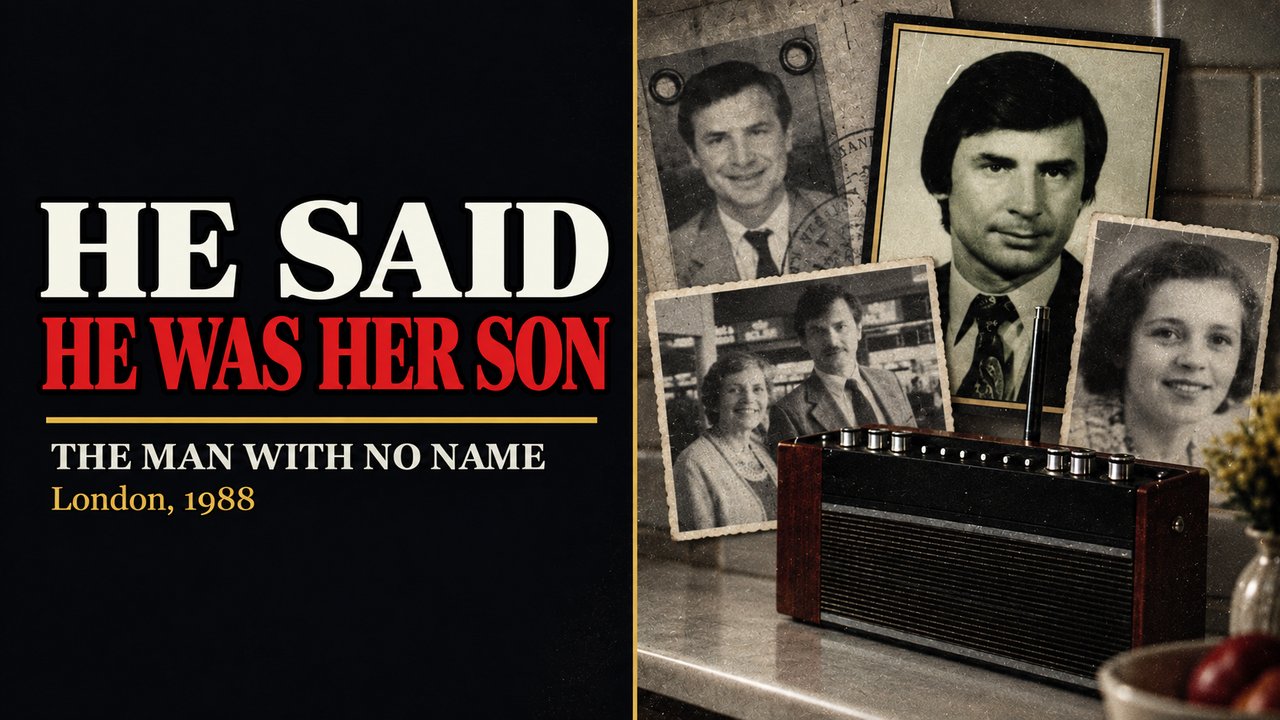
On the morning of Saturday 2 April 1988, Special Branch officers broke down the door of a flat in Friern Barnet, north London, and found an art dealer in his pyjamas with headphones on, listening to a woman's voice reading numbers in Czech.
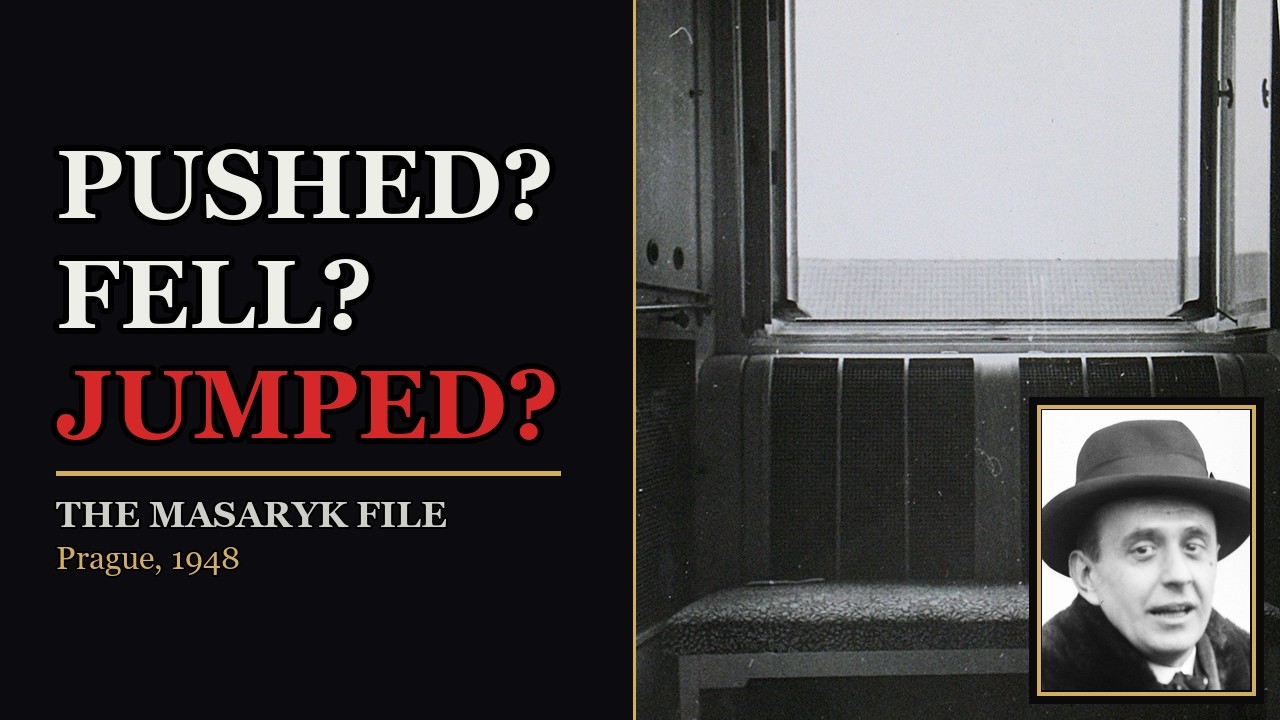
Before dawn on 10 March 1948, two stokers crossing the courtyard of the Czernin Palace in Prague found the foreign minister, Jan Masaryk, barefoot and in pyjamas on the paving under his own bathroom window.

On a quiet street in Kirkcaldy, Scotland, on an October morning in 1988, a man walking his Alsatian home from the woods bent down to help a driver who seemed to want directions.
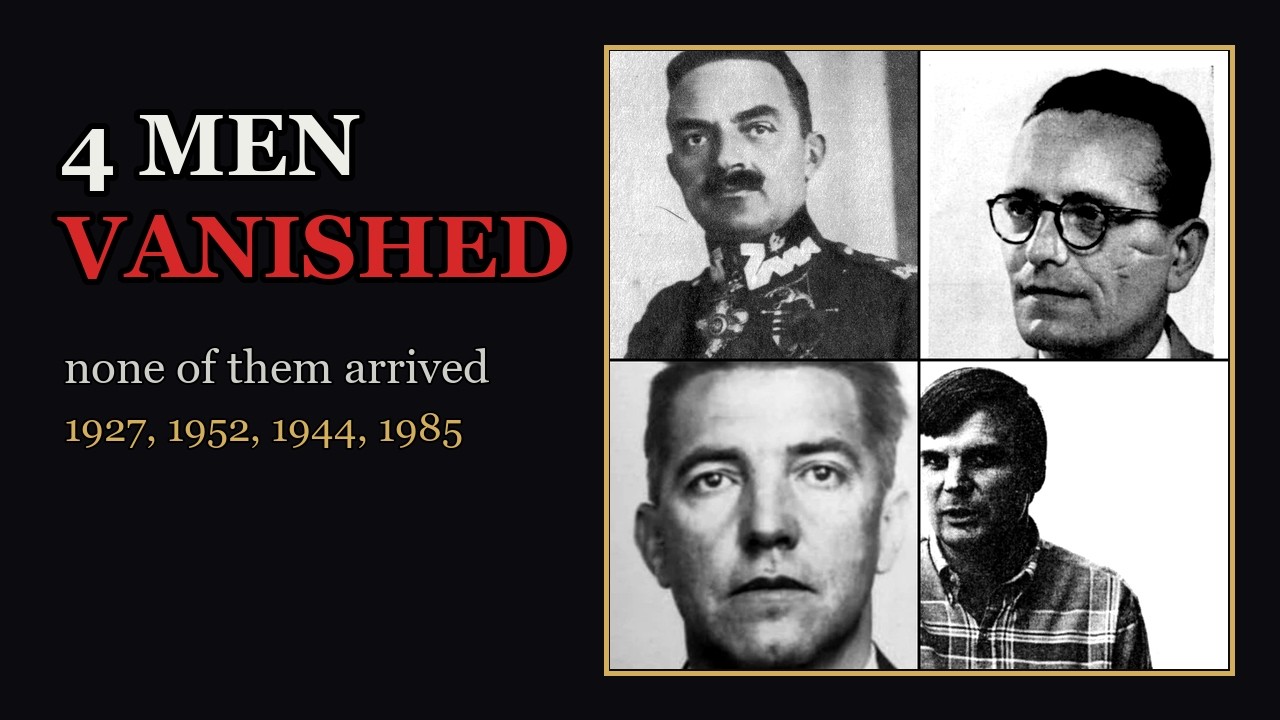
Four doors, four decades, four countries.
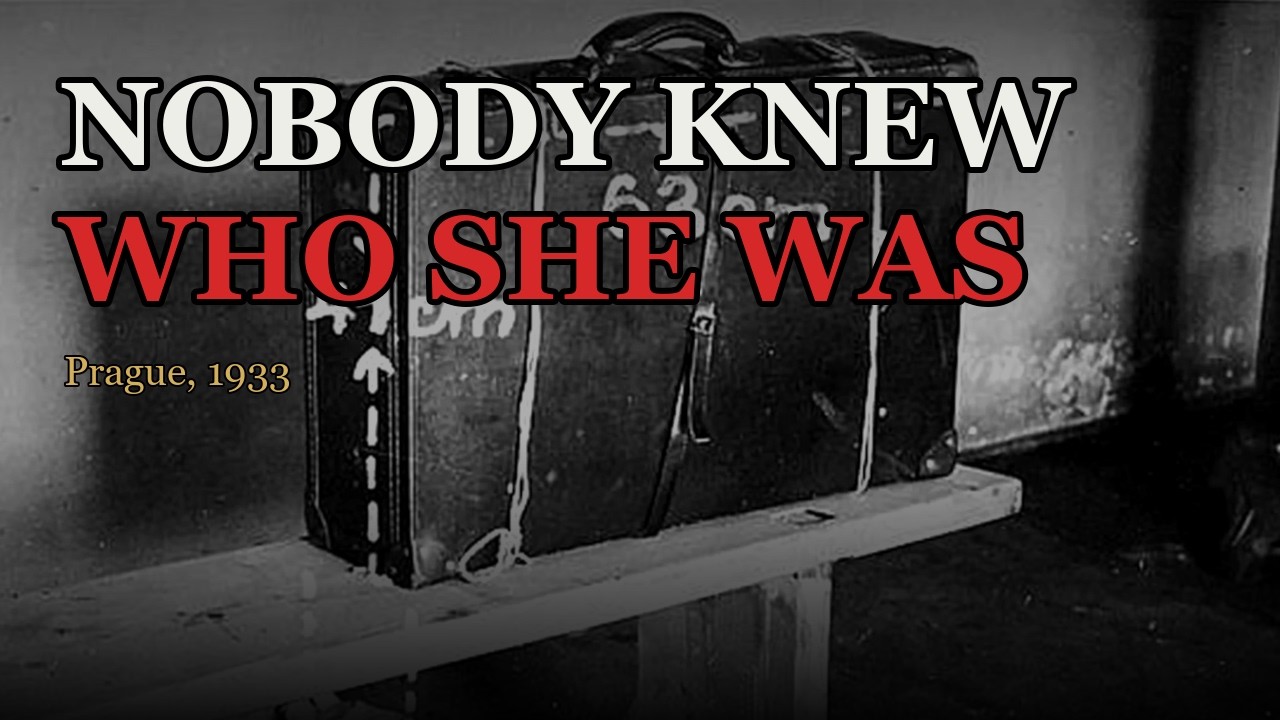
Otýlie Vranská was twenty-two, six months into a new life in Prague, when she walked out into the small hours of Friday, the first of September 1933, and did not come back.
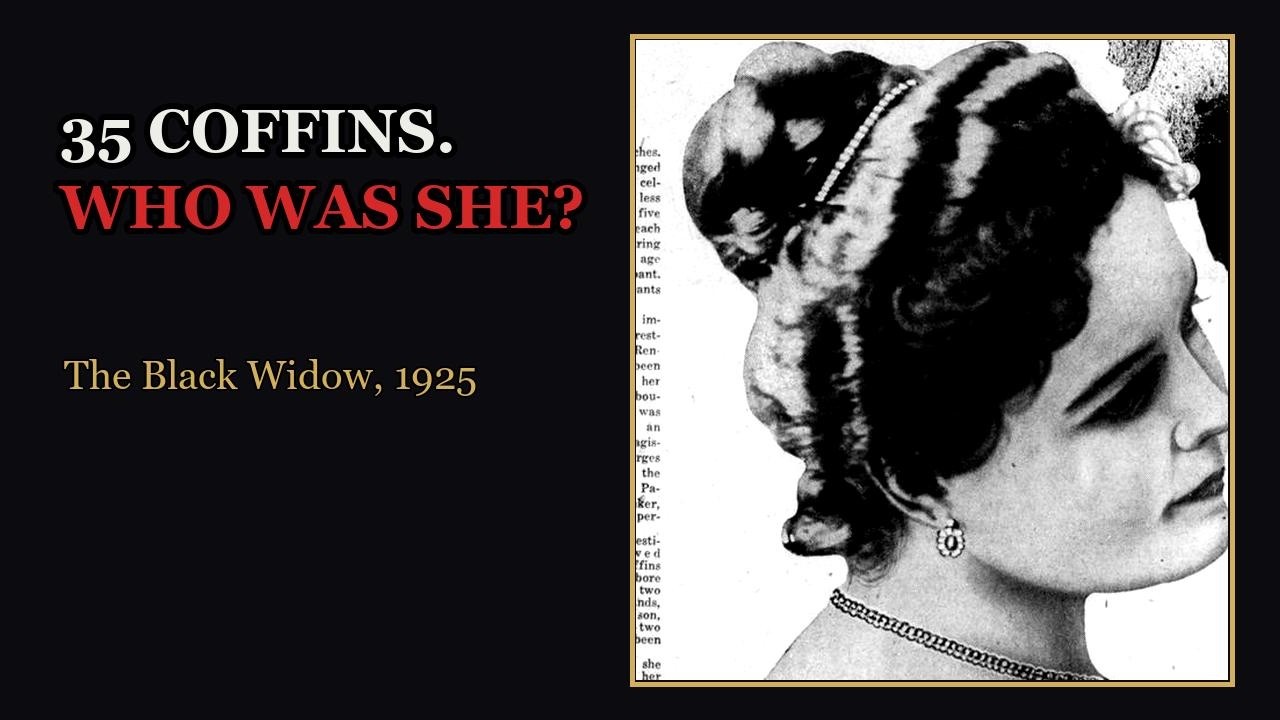
The story says that in a town near the edge of Yugoslavia, police broke down three iron doors and raised their torches over thirty-five zinc coffins, arranged around a cellar, each labeled with a man's name, his age, and how long he had been hers.
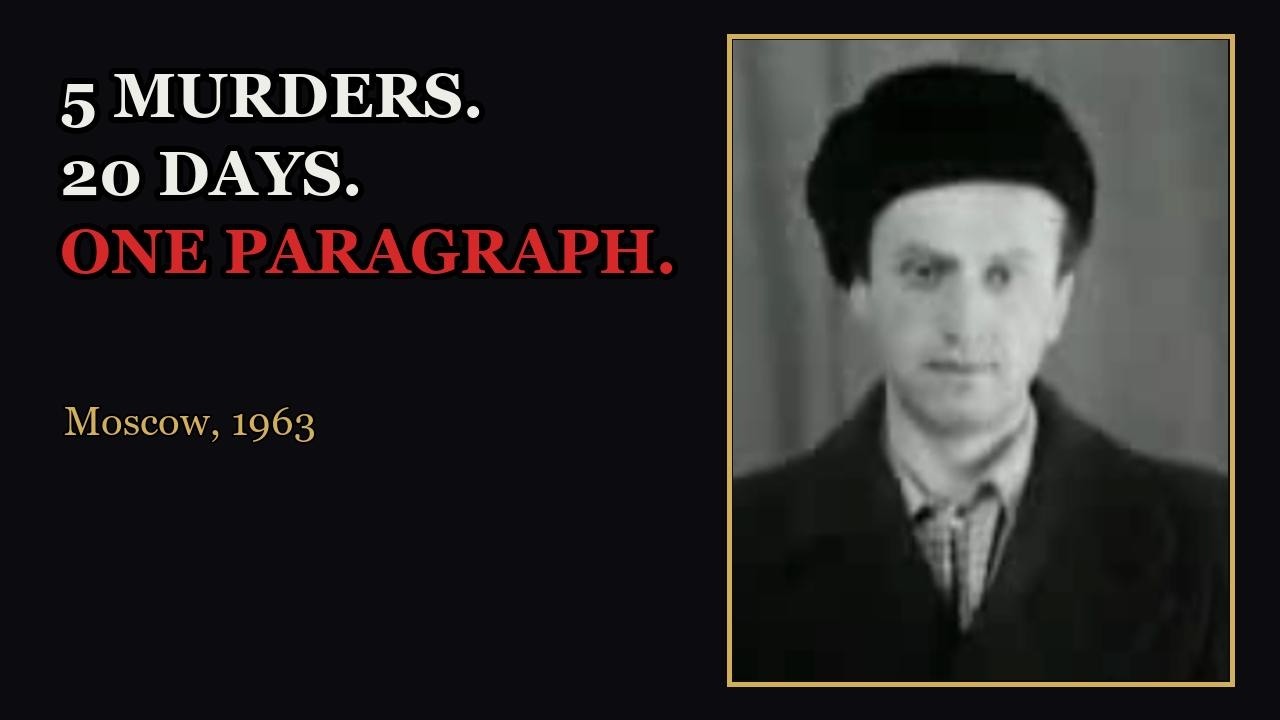
In December 1963, a young man in a fur hat began knocking on Moscow doors and saying one word: Mosgaz, the gas service.
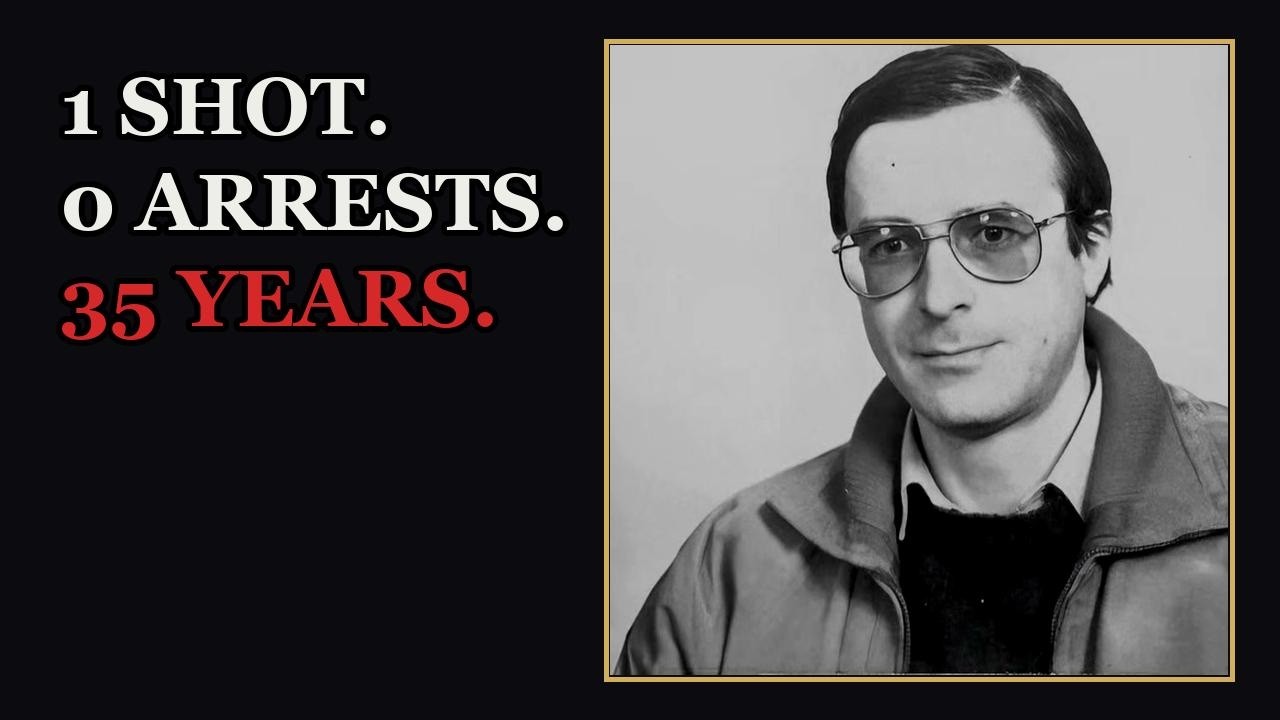
On May 21, 1991, in the middle of a crowded book sale, a professor of religion was executed with a single small-caliber shot inside the Divinity School of the University of Chicago.
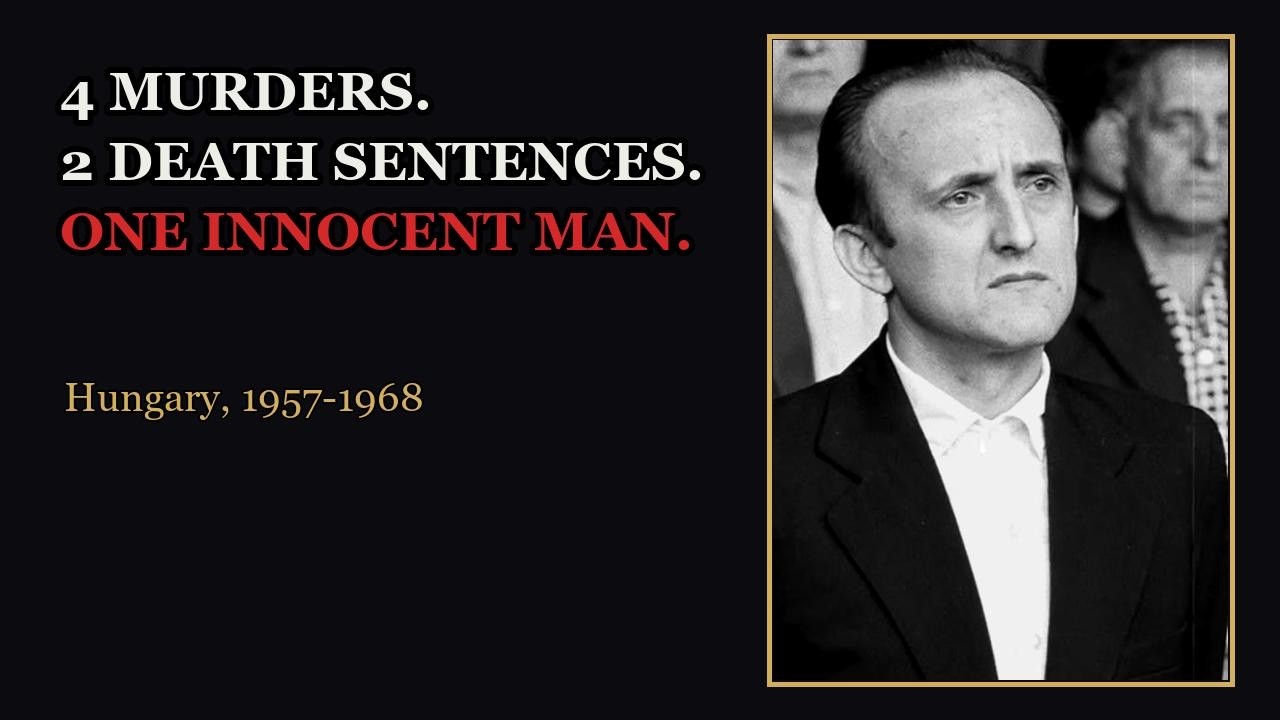
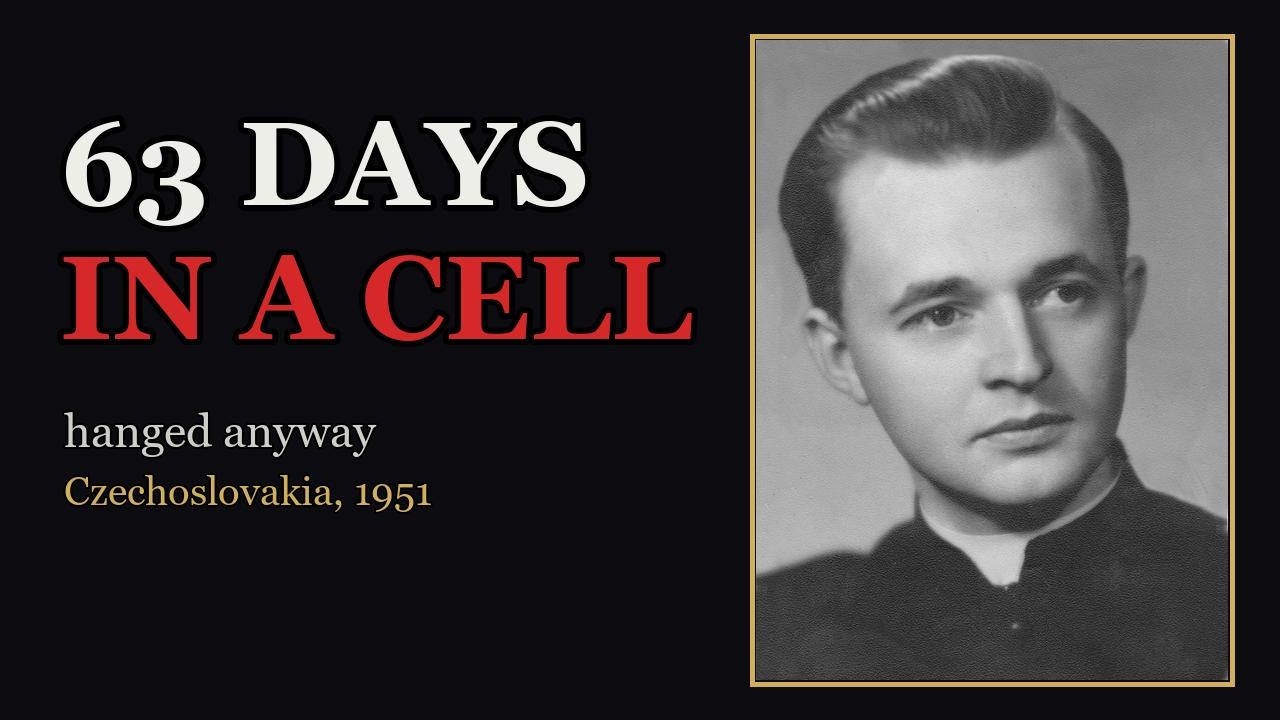
On a July night in 1951, armed men walked into the village school of Babice, Czechoslovakia, and shot the three communist officials meeting inside.
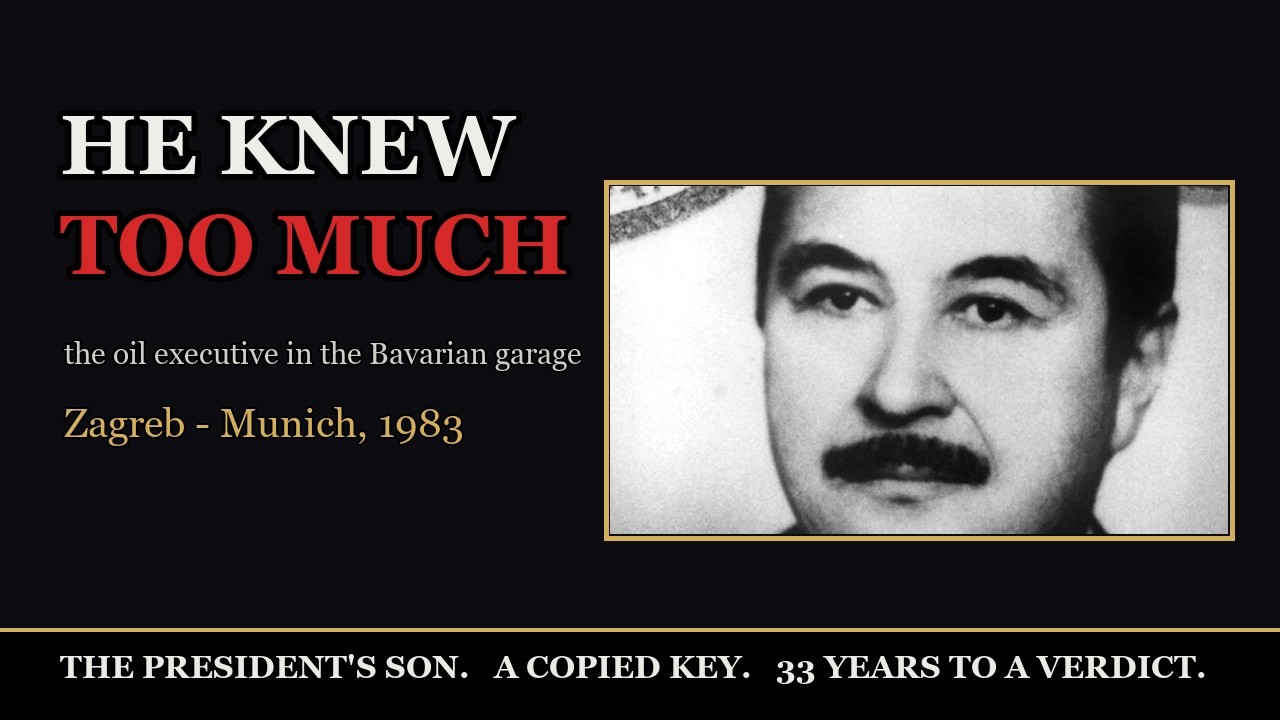
In July 1983, Stjepan Đureković, marketing director of Yugoslavia's oil giant INA, was shot and struck down with a blade inside a Bavarian garage where his banned books were printed.
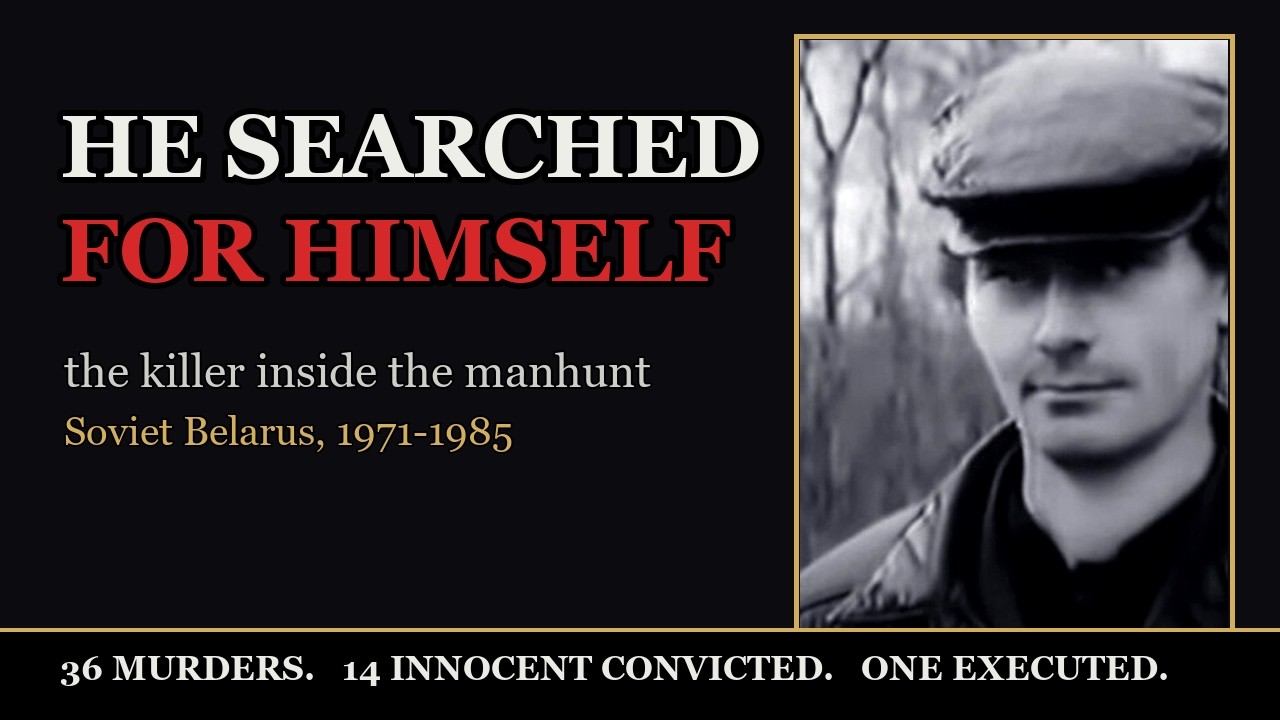
For fourteen years, women vanished along the roads of the Vitebsk region of Soviet Belarus, and the state kept solving the murders: fourteen innocent people were convicted, one was shot, one went blind in the camps, one was broken in a psychiatric ward.
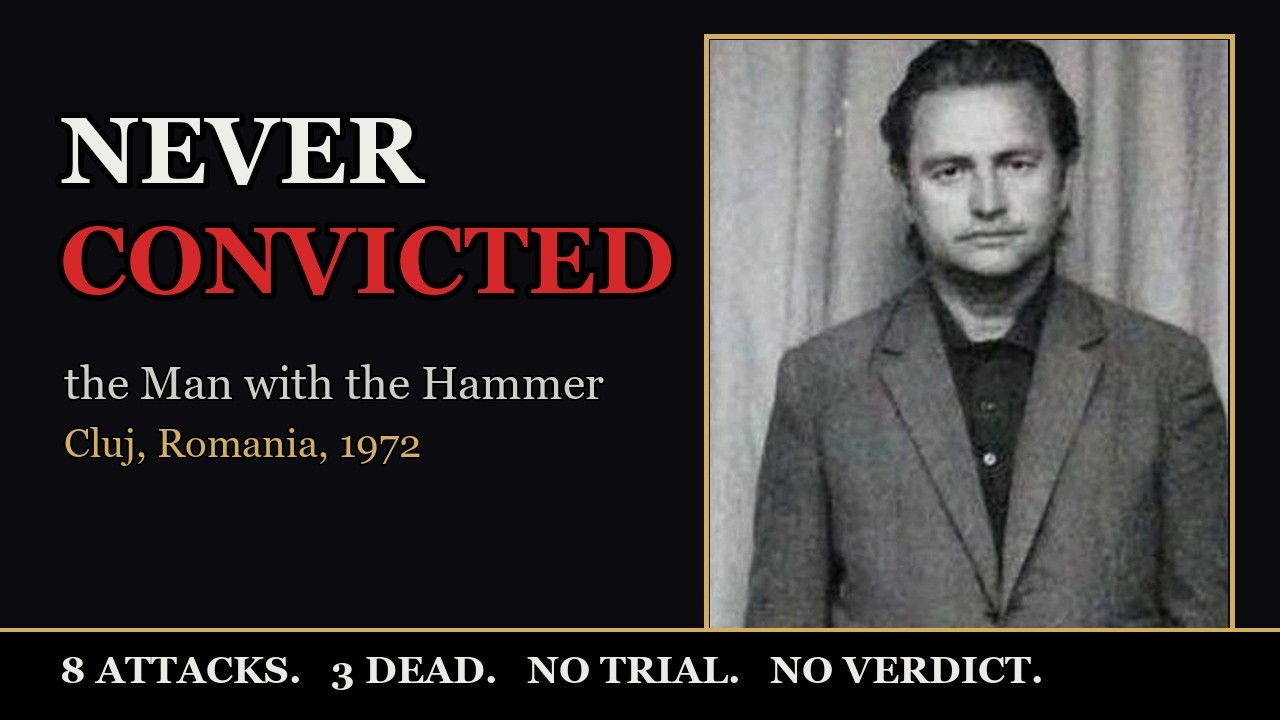
Cluj, Romania, winter 1972.
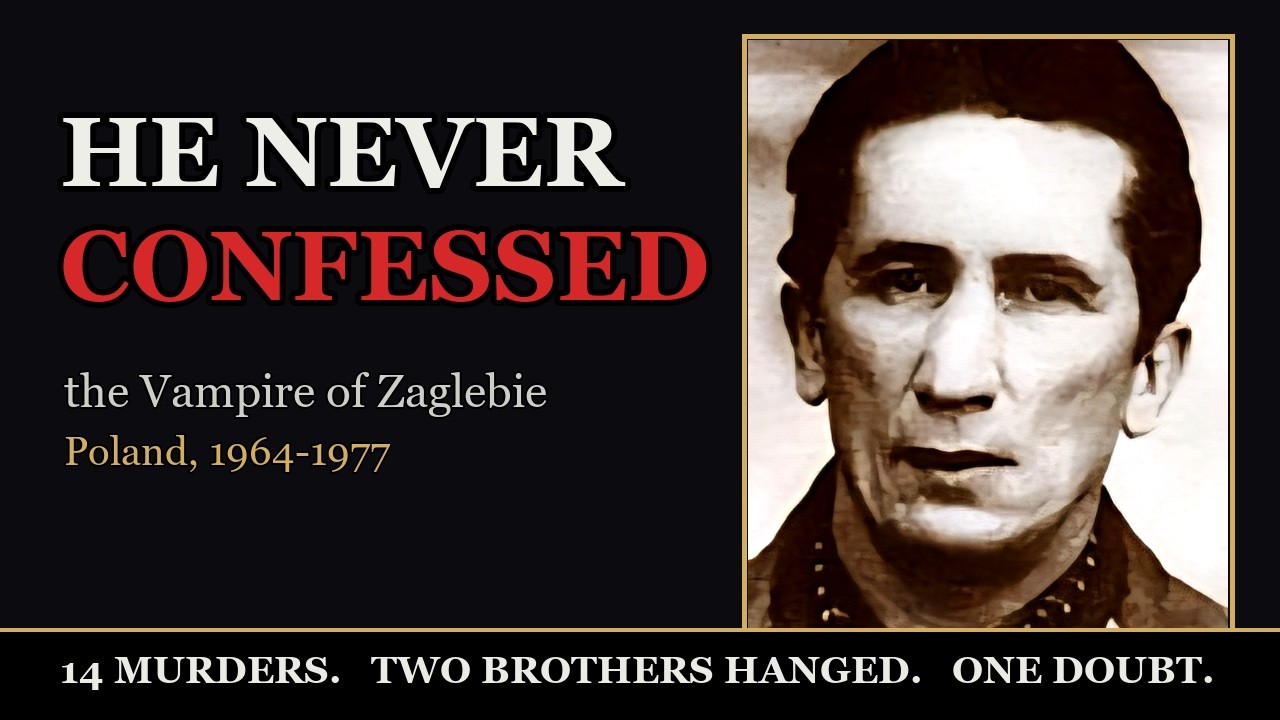
For six years a killer stalked the coal towns of southern Poland, striking women from behind at dawn and dusk.
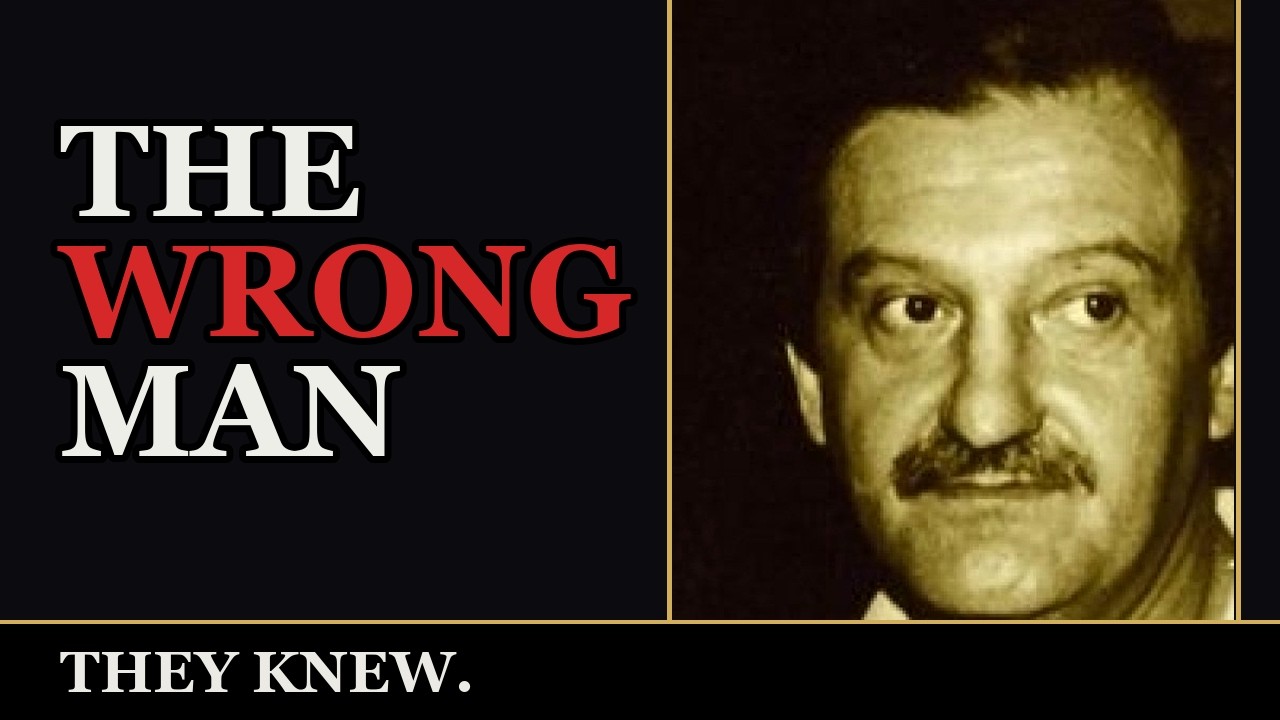
In July 1977, an eighteen-year-old student named Anca Broscoțean traveled to Bucharest for a university entrance exam and never came home.
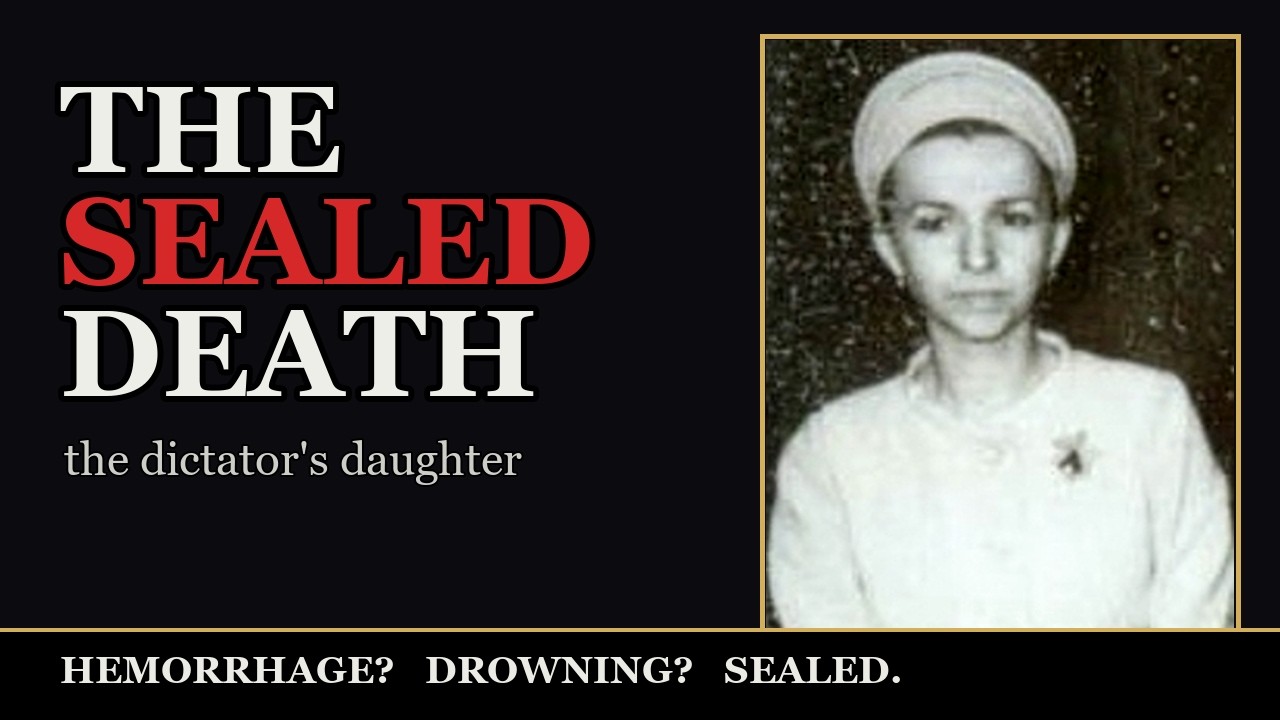
In 1981, Lyudmila Zhivkova, the daughter of Bulgaria's communist dictator, his minister of culture and presumed heir, was found dead in her bath at 38.
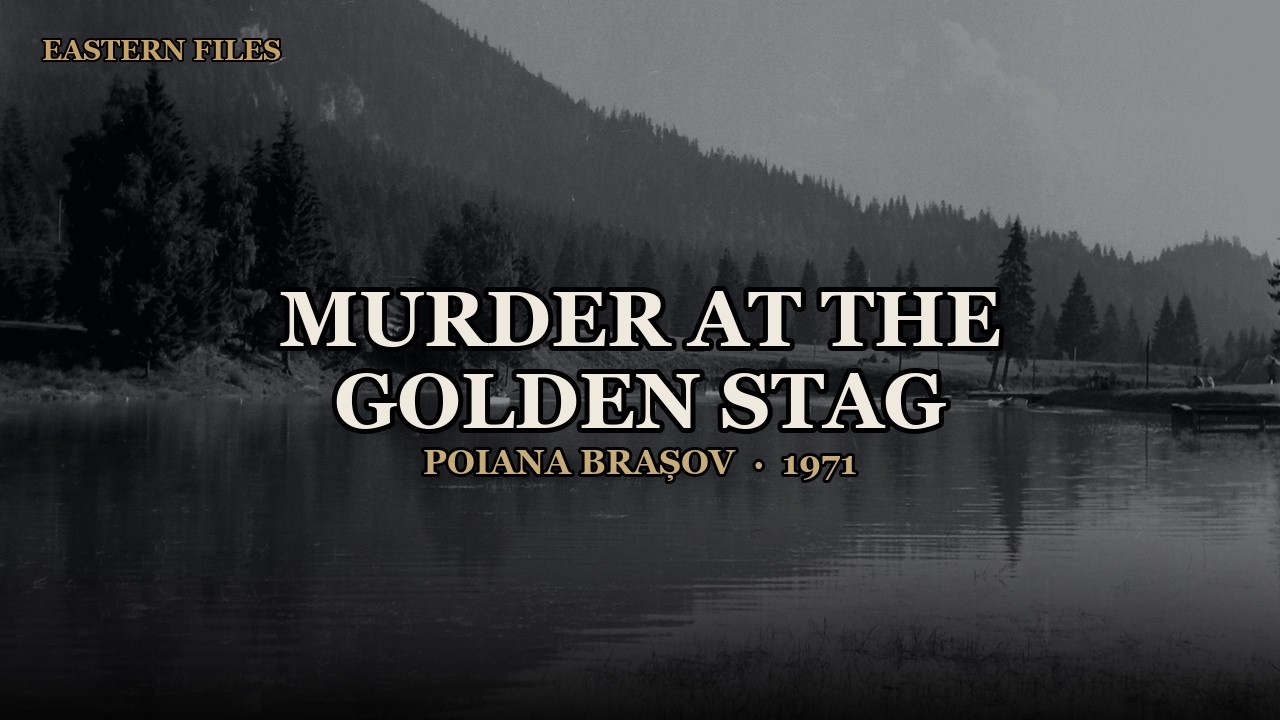
In March 1971, communist Romania threw open its doors to the West for the Golden Stag, Cerbul de Aur, its glittering international song festival.
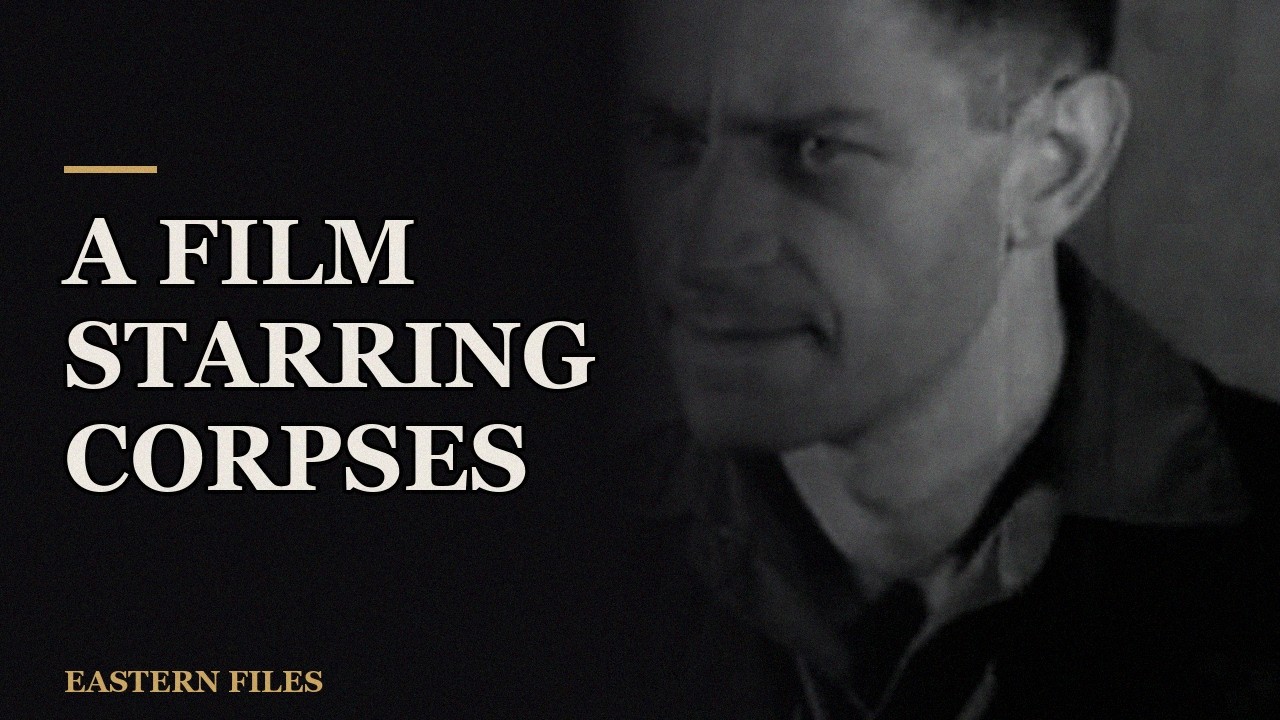
In 1959, six former insiders of Romania's Communist regime were accused of the impossible: robbing the National Bank of Romania, in a state that insisted crime was a disease of the capitalist West.
In 1970, a killer began hunting the streets of Bucharest, and he came only on the worst nights, in the storms and the freezing rain.
No files match these filters.